
Why a full-body hygiene routine is non-negotiable
Let me ask you something. When did you last actually think about your hygiene routine? Not just grab the shower gel, have a quick scrub, and call it done — but genuinely consider whether what you're doing is working?
Most of us got some vague instructions in our early teens, were pointed towards a bar of soap, and left to sort out the rest. And fair enough — that gets you most of the way there. But "most of the way there" isn't the same as actually taking care of yourself properly. There's a surprising amount that falls through the cracks.
We're talking about the stuff nobody quite explains. Nail care. Foot hygiene. Intimate grooming. The difference between washing your face and actually cleansing it. Why your deodorant gives up by 3pm. All of it.
Good hygiene isn't just about not offending the person next to you on the Tube — though that obviously matters. Proper personal hygiene has real psychological and social benefits. It affects how you show up at work, on a date, at the gym. Research consistently links it to confidence and self-perception. These aren't abstract claims; they show up in how people carry themselves.
And it goes deeper still. Your skin has its own microbiome — trillions of bacteria and microorganisms living on its surface, playing a direct role in skin health and immune function. Treat your skin badly and you're not just getting dry patches. You're disrupting an entire ecosystem.
This guide runs from your daily shower to monthly maintenance, from your scalp to the soles of your feet. Think of it as the manual you should have been handed years ago — only this one actually explains the why behind every step.
The foundation: mastering your daily shower ritual
The shower is where most of your daily hygiene actually happens. Get this right and you've handled the lion's share in one go. Phone it in every morning and no amount of cologne or dry shampoo will save you.
Temperature: the hot shower problem
We know. A scalding hot shower feels incredible, especially in January. But hot water strips your skin's natural oils and damages the skin barrier, the outermost layer that keeps moisture in and irritants out. Damage it regularly and you end up with dry, tight, itchy skin that no moisturiser can fully fix.
The fix is simple. Start warm, finish cool. A 30-second cold rinse at the end isn't pleasant, but it reduces inflammation and leaves skin looking less red and blotchy. Your future self will thank you. Your present self will disagree loudly.
Wash in the right order
This actually matters.
- Shampoo your hair first. Let it rinse down your body while you do the rest — shampoo residue can clog pores on your back and chest if left on the skin, so getting it off early solves that problem.
- Cleanse your face separately. More on this shortly, but your face needs a dedicated product — not the same body wash you're using on your armpits. Facial skin is genuinely thinner and more delicate, and it deserves to be treated that way.
- Body wash from neck to toe. Pay particular attention to the zones that accumulate the most bacteria: armpits, groin, behind the knees, between the toes. Warm and often damp — exactly where bacteria thrive.
- Rinse thoroughly. Soap residue left on the skin is a common cause of irritation and dryness. Rinse for longer than you think you need to.
Drying off properly
Pat, don't rub. Aggressively towelling your skin creates friction that damages the same skin barrier you just spent five minutes protecting. Pay extra attention to drying between the toes and in skin folds. Moisture trapped there is an open invitation to fungal infections.
Apply body moisturiser within two to three minutes of stepping out. Your skin is still slightly damp and the pores are open — the optimal window for absorption.
Beyond soap: proper care for your face and body
Your face is not just part of your body
If you're washing your face with the same bar of soap you use everywhere else, you are actively damaging your skin. Body soaps are formulated for thicker skin and often have a higher pH than your face's natural acid mantle. Use them on your face regularly and you'll strip away its protective oils, disrupt the microbiome, and end up with either dry flaky patches or an overproduction of sebum that causes breakouts. Neither is ideal.
A proper facial routine for men in 2026 looks like this:
- Morning cleanse: A gentle face wash to remove overnight oils and any residue from your pillow. Don't skip this — your face produces sebum while you sleep.
- Moisturise: Every single morning. Yes, even if your skin feels fine. Especially if your skin feels fine — that means it's working.
- Evening cleanse: Arguably the more important one. You're removing a full day of grime — pollution, sweat, sunscreen, whatever else has settled on you since morning. Skip this and you're sleeping in all of it.
- Night moisturiser: Your skin does most of its repair work while you sleep, and inadequate sleep slows ceramide production and weakens the skin barrier. Give it the right ingredients to work with.
Body care beyond the shower
Most men stop at the shower and consider the job done. A few extra steps make a real difference over time.
- Exfoliate once or twice a week. Dead skin cells accumulate faster than you'd think, leading to dull skin, ingrown hairs, and uneven texture. A physical or chemical exfoliant keeps things fresh. If you want to tailor this to your specific skin type, we've written a detailed guide on exactly that.
- Moisturise your body too. Elbows, knees, heels — these get genuinely rough without attention. A body lotion applied post-shower two to three times a week keeps things in order.
- Back care. Notoriously difficult to reach and notoriously prone to breakouts. A brush or exfoliating mitt with a long handle in the shower solves the access problem. Keep the area clean and moisturised.
Diet, hydration, and sleep: the invisible hygiene factors
The products you put on your skin will only ever be as effective as what you're building from inside. Sleep, diet, and hydration all directly affect your skin — how it produces collagen, how it handles inflammation, how much oil it secretes. A man eating well, drinking enough water, and sleeping seven to eight hours a night will have noticeably better skin than someone doing the opposite, regardless of how expensive his skincare products are.
Hydration matters most. Your skin is largely water. Chronically under-drinking affects its elasticity, clarity, and ability to heal. Two litres a day is the general guidance — more if you're exercising.
Critical details: oral health, scent control, and nail care
Oral hygiene: the one people notice most
Bad breath is the hygiene issue most likely to affect your personal and professional life — and yet it's one of the most preventable. Poor oral hygiene isn't just an aesthetic problem. Oral bacteria can enter the bloodstream and cause inflammation in blood vessels, which is why it's been linked to an increased risk of heart disease.
The American Dental Association recommends brushing twice daily for two full minutes with a fluoride toothpaste. That's the floor, not the ceiling.
- Brush twice daily, two minutes each time. Use a brush with soft bristles. Firm ones feel more thorough but they're not — they damage enamel and irritate gums over time.
- Floss once a day. Most bad breath doesn't come from your tongue — it comes from food trapped between teeth that your brush can't reach. Floss before bed.
- Tongue scraper. An underrated tool. The tongue harbours a huge amount of bacteria. A 10-second scrape each morning makes a noticeable difference to breath freshness.
- Mouthwash. Useful, but it's a supplement — not a replacement for brushing and flossing. Use an alcohol-free formula if you're using it daily; alcohol-based ones dry out your mouth over time.
Scent control: why your deodorant might be letting you down
Sweat itself doesn't smell. The odour comes from bacteria on the skin breaking down sweat compounds. Once you understand that, the whole approach to scent control changes — you're managing bacteria, not just masking moisture.
A few things most men don't know:
- Apply deodorant to clean, dry skin. Applying it over existing sweat or damp skin massively reduces its effectiveness. Right after your morning shower is the correct time.
- Antiperspirant works best applied at night. It needs time to bond with your sweat glands — applying it before bed on dry skin and leaving it overnight significantly improves performance the next day.
- Your diet affects your body odour. Heavy garlic, onions, and red meat all contribute to more pungent body odour. No amount of deodorant fully compensates if that's a regular dietary pattern.
- Natural fabrics help enormously. Cotton and linen breathe. Synthetics trap heat and moisture — exactly the conditions bacteria love. If you're sweating through shirts by midday, check the fabric first.
Nail care: the detail everyone notices
Unkempt nails — bitten, ragged, grimy — are one of those things people clock immediately and often don't mention. They also harbour bacteria and can cause infections if broken or torn.
- Trim fingernails weekly. Use a proper nail clipper, cut straight across, then file any rough edges.
- Keep the underside clean. A nail brush in the shower takes about 20 seconds and stops grime from building up.
- Toenails need trimming monthly, cut straight across — not curved — to prevent ingrown nails.
- Moisturise your cuticles. They crack and fray without hydration, and hangnails are miserable. A small amount of hand or cuticle cream goes a long way.
Down below: a practical guide to intimate hygiene and grooming
Most guides either skip this section entirely or whisper past it in two sentences. Intimate hygiene for men genuinely matters — not just for comfort, but for health. Neglecting it can lead to fungal infections like jock itch or balanitis, persistent odour, and skin irritation that gets worse the longer it's ignored.

Daily washing
The groin accumulates sweat, heat, and bacteria faster than almost anywhere else on the body. Wash thoroughly every single day — ideally with a mild, gentle wash rather than a harsh body soap that disrupts the natural skin balance in that area. Warm water and a gentle cleanser is all you need. That's it. No elaborate routine required.
Drying is critical
Fungi love warmth and moisture. Drying thoroughly after a shower — including between the legs and the skin folds around the groin — removes the conditions that allow fungal infections to develop. A clean, dry towel every time. Not the one that's been hanging on the back of the bathroom door for a fortnight. (You know the one.)
Underwear and fabric
Change underwear daily. Cotton is better than synthetic for breathability. If you're prone to sweat or irritation in that area, consider fabrics designed to wick moisture for days with physical activity — most good sports underwear brands label this clearly on the packaging.
Grooming
Trimming or managing pubic hair is a personal choice, but maintaining some level of grooming does help with hygiene — less hair means less moisture and odour retention. Use a dedicated trimmer (not the one you use on your beard, please) and keep the blades clean to avoid skin irritation.
A word on skin sensitivity
The skin in the groin area is particularly sensitive. Avoid heavily fragranced products, and if you notice persistent irritation, redness, or unusual odour, don't tough it out — see a GP. These things are treatable but they don't resolve themselves.
What products should I use?
We're biased, obviously. But we're also genuinely bearded men who've tried a lot of products over the years — and we only make things we'd actually use ourselves. Here's what's relevant to a proper hygiene and grooming routine.
Anti Ageing Moisturiser and Face Wash
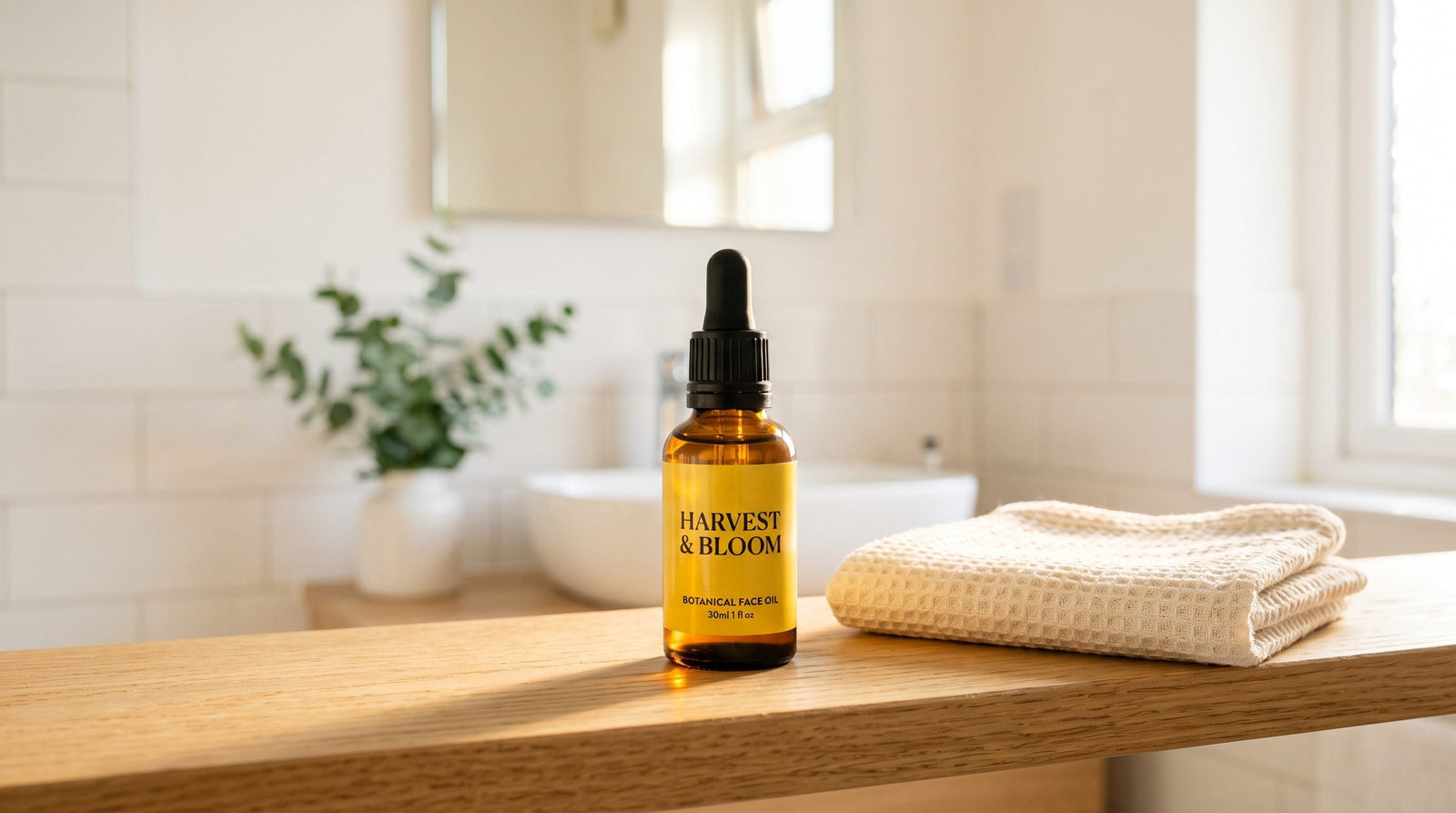
The face wash in this duo is formulated specifically for facial skin — not the generalised body skin that most products are designed for. It cleanses without stripping the natural oils your skin barrier depends on. Use it morning and evening as part of the cleansing routine described above.
The Anti Ageing Moisturiser is the follow-up. It contains ingredients that help maintain the skin barrier, retain moisture, and work with your skin's natural repair processes rather than against them. Applied after cleansing, it gives your face what it needs to stay in good condition — rather than just masking dryness temporarily.
If you want to go deeper on building an anti-ageing routine that actually works, we've put together a full decade-by-decade guide worth reading.
Beard Brush — pear wood with natural boar bristle hair
Beard hygiene is a component of facial hygiene that a lot of men overlook entirely. Beards trap food particles, dead skin cells, sweat, and environmental pollution — all of which sit against your skin all day if you don't actively manage it.
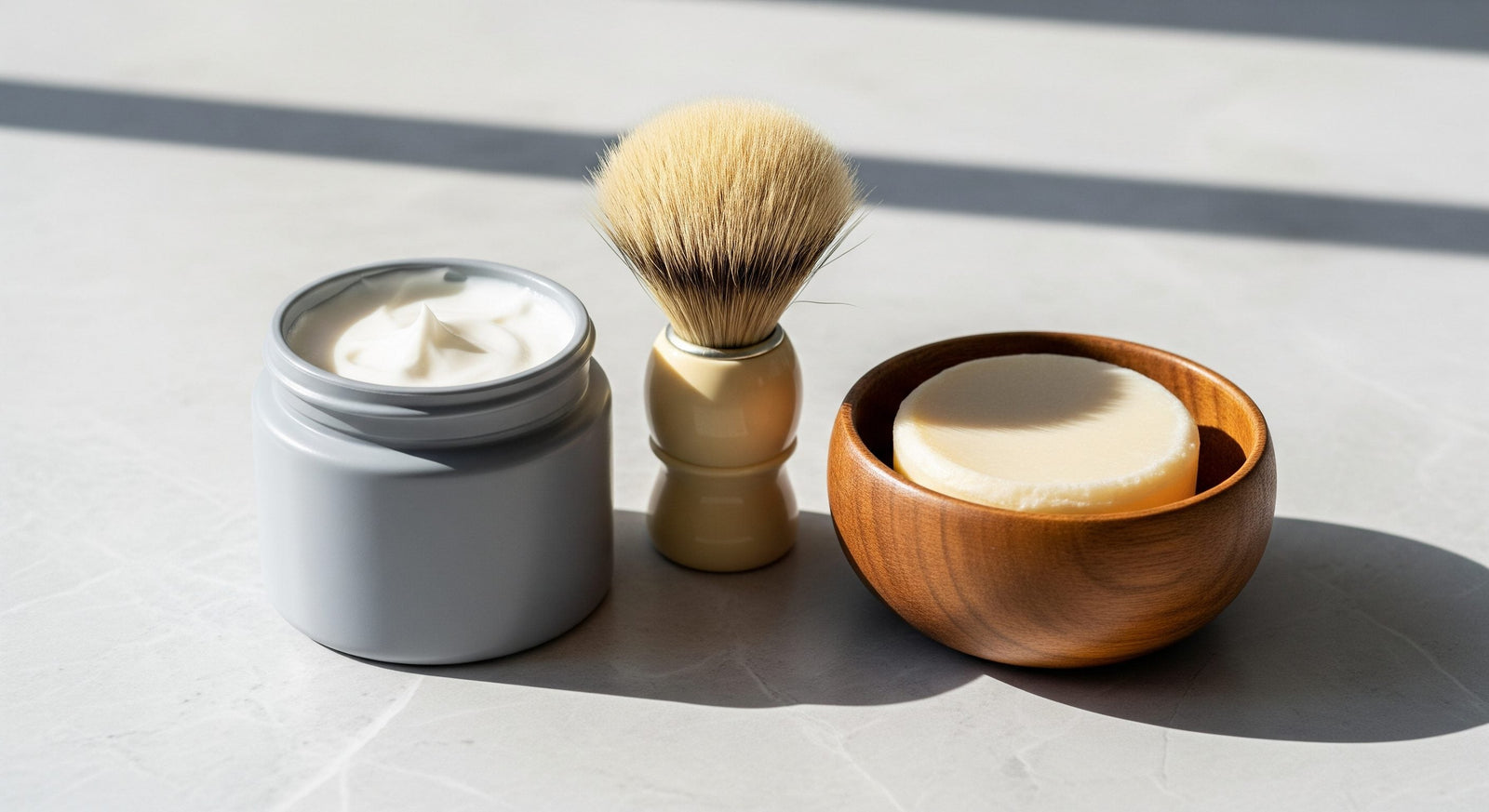
A quality boar bristle brush does two things well. First, it physically removes debris and distributes your natural skin oils (sebum) from root to tip, keeping the beard conditioned without any product. Second, the bristles exfoliate the skin beneath the beard — where dead skin builds up and can cause beardruff and itchiness if left unaddressed. Two minutes of brushing in the morning makes a real difference to both the look and hygiene of your beard.
The pear wood handle makes this one genuinely pleasant to use, which matters more than it sounds — because if a brush is awkward to hold, you won't use it consistently.
If you're building a more complete beard care setup alongside your hygiene routine, the Beard Grooming Set covers the essentials in one go.
Building your routine: a weekly and monthly hygiene checklist
Consistency beats perfection. A simple routine done every day will always outperform an elaborate one done occasionally — and we've also put together a broader grooming routine guide if you want to extend this thinking into hair, style, and everything else.
| Task | Frequency | Notes |
|---|---|---|
| Shower | Daily | Warm not scalding; cool rinse to finish |
| Face cleanse (AM + PM) | Twice daily | Dedicated face wash, not body soap |
| Moisturise face | Twice daily | Morning after cleanse; evening before sleep |
| Brush teeth | Twice daily | Two minutes, fluoride toothpaste, soft bristles |
| Floss | Daily (ideally) | Before bed is most effective |
| Deodorant/antiperspirant | Daily | On clean dry skin; antiperspirant works better applied at night |
| Brush beard | Daily (if bearded) | Distributes oils, removes debris, exfoliates skin beneath |
| Intimate washing | Daily | Mild wash, dry thoroughly afterwards |
| Change underwear | Daily | Cotton or breathable fabrics preferred |
| Body exfoliation | 1-2x per week | Removes dead skin, prevents ingrown hairs |
| Body moisturiser | 2-3x per week | Apply within 3 minutes of showering |
| Fingernail trimming | Weekly | Straight across, then file rough edges |
| Facial exfoliation | 1-2x per week | Gentle formula suited to your skin type |
| Beard wash | 2-3x per week | Dedicated beard shampoo — not regular shampoo |
| Toenail trimming | Monthly | Straight across — prevents ingrown toenails |
| Deep foot care | Monthly | Pumice stone or foot file on heels and calluses |
| Replace toothbrush | Every 3 months | Bristles lose effectiveness; harbours bacteria |
| Wash towels | Every 3-4 uses | Damp towels are a breeding ground for bacteria |
Tips and tricks for sticking to your routine
- Stack your habits. Attach new hygiene steps to things you already do — flossing after brushing, applying moisturiser immediately after washing your face. The brain finds patterns easier to maintain than isolated tasks.
- Keep products visible. If your face wash is tucked away in a cupboard, you won't use it. Put it on the shelf where you can see it. Out of sight really does mean out of mind.
- Prep the night before. Laying out your morning products the evening before removes the "I'll skip it today, I'm in a rush" excuse. And we all know that excuse.
- Invest in decent tools. A blunt nail clipper, a fraying toothbrush, a brush with synthetic bristles that scratches rather than grooms — all of these make the process unpleasant enough that you avoid it. Good tools make good habits easier to keep.
- Shower after the gym, not before. Obvious when said out loud. Less obvious at 6am when you're half asleep and the gym is before work. Post-workout sweat sitting on your skin for hours is a direct cause of body odour and breakouts.
- Drink water first thing. Before coffee, before anything — a large glass of water rehydrates you after sleep and gives your skin a head start. It costs nothing and takes ten seconds.
- Replace your pillowcase twice a week. Your face presses against it for seven or eight hours. It accumulates oils, dead skin, and bacteria faster than any other fabric in your home. Most men change theirs once a fortnight at best. (We're not judging. But we're a little bit judging.)
- If you have a beard, treat it as part of your hygiene routine — not separate from it. A well-maintained beard that's brushed, washed, and conditioned regularly is genuinely cleaner than a neglected one. An unkempt beard accumulates the same debris as unwashed hair, just in a more visible location. If you want to explore a leaner, more efficient approach to grooming, that guide is worth your time too.
Frequently asked questions
What is a good daily hygiene routine for a man?
Shower with warm water using a proper body wash. Cleanse your face with a dedicated face wash — not body soap. Moisturise. Brush your teeth twice for two minutes. Apply deodorant to clean dry skin. Put on fresh underwear. Done. If you have a beard, two minutes with a brush in the morning keeps both the hair and the skin beneath it clean. None of this is complicated, and a simple version done every single day will serve you far better than an elaborate routine you can only manage three times a week when you're feeling motivated.
How can a man improve his hygiene?
Audit what you're already doing and find the gaps honestly — most men are surprised to discover they've been skipping obvious things like flossing, moisturising their face, or paying any attention to their feet. Then there's everything beneath the surface: how much water you drink, how consistently you sleep, what you eat. These things have a direct, measurable impact on how your skin looks and how your body smells, and no product fixes a chronically dehydrated person. Investing in slightly better tools helps too. A quality face wash and a proper nail clipper make the habits easier and more enjoyable, and that matters when you're trying to do something every single day.
What are the basics of male hygiene?
Daily showering with real attention to the high-bacteria zones — armpits, groin, feet. Twice-daily face cleansing and moisturising, because your face isn't the same as your body and shouldn't be treated that way. Teeth brushed twice a day plus flossing, which most people skip and then wonder where the bad breath is coming from. Daily deodorant. Clean underwear every day, full stop. Weekly exfoliation and nail trimming. Everything else builds on top of this.
How do you perform a full body wash for men?
Shampoo first and let it rinse down while you work. Cleanse your face with a dedicated face wash before moving to the body — this is the step most men miss entirely. Work top to bottom with a body wash, paying particular attention to the armpits, groin, between the toes, and behind the knees. Rinse thoroughly, including all product from hair and body. Then pat dry rather than rubbing, and get body moisturiser on within two to three minutes while the skin is still slightly warm. That window matters.
Head to toe, inside and out, daily habits to monthly maintenance. None of this is complicated — it just requires a bit of intention and consistency. The men who look and feel genuinely well-groomed aren't necessarily spending more time on it than anyone else. They've built the right habits and stuck to them. That's genuinely all it is.