
What is wet shaving — and why your current method is probably punishing your skin
You've been shaving the same way since you were seventeen. A plastic cartridge razor, a blob of supermarket foam from a pressurised can, three rushed strokes, and a stinging face for the rest of the morning. Sound familiar? We've all been there — and for a long time, most of us assumed that was just what shaving felt like. A necessary irritation. A minor daily punishment.
It doesn't have to be.
Proper, traditional wet shaving is one of those rare grooming upgrades that genuinely changes everything. Not in a dramatic, overnight-transformation way — we're not selling miracle cures here. More like the quiet, cumulative way a well-made pair of shoes changes how you feel walking into a room. You just feel better. More deliberate. More in control.
So what actually is wet shaving? Warm water, a quality lather built from a shaving soap or cream using a brush, and a sharp blade applied with proper technique. Your grandfather's method, refined by a century of iteration. If you're curious about how it fits into a broader grooming overhaul, our complete guide to building a grooming routine is a solid place to start.
Why does it matter? Because wet shaving addresses every single problem that makes rushed modern shaving such a disaster for your skin. The razor burn. The ingrown hairs. The dry, tight feeling afterwards. The nicks that appear from nowhere. Every one of those problems has a root cause — and wet shaving, done properly, fixes most of them.
This guide covers the actual nuances: which razor to use and why, how to map your beard growth, how to build a lather that does its job, and what to do when things go wrong. Because they will go wrong at first. And that's fine.
Your essential wet shaving toolkit: more than just a razor
The gear matters. Not in a gear-obsessive, spend-a-fortune way — but in the same way that the right knife matters in a kitchen. The wrong tools don't just make the job harder; they actively cause the problems you're trying to solve.
Choosing your razor
Most guides pick a side and sell it hard. We're not doing that. Your main options, laid out plainly:
| Razor Type | Best For | Learning Curve | Cost (Long-Term) | Skin Type |
|---|---|---|---|---|
| Double-Edge Safety Razor | Most men, traditional wet shavers | Moderate — angle control required | Low (cheap replacement blades) | All, including sensitive |
| Straight Razor | Enthusiasts, experienced shavers | High — takes real practice | Very low (self-maintained blade) | Normal to oily |
| Cartridge Razor | Beginners, travellers | Low — forgiving and easy | High (cartridges are expensive) | All |
| Single-Edge Safety Razor | Men wanting a middle ground | Low to moderate | Low to moderate | Sensitive to normal |
Our honest recommendation for most men starting out? A double-edge safety razor. More control than a cartridge, far less to spend on blades over time, and — once you've got the technique down — a genuinely superior shave. The learning curve is a few weeks, not months.
If you want to go full kit straight away, the safety razor and shaving brush set takes the guesswork out of building your toolkit from scratch.
Your shaving brush
The brush isn't optional. It's what turns a basic soap or cream into a genuinely protective lather — and it exfoliates your skin and lifts your hairs in the process, setting them up to be cut cleanly rather than dragged.
Badger hair is the traditional benchmark: very soft, excellent water retention, superb lather. Boar bristle is stiffer and takes a little breaking in, but once it does, it's excellent and more budget-friendly. Synthetic has come a very long way and is now a genuinely good choice — quick-drying, animal-friendly, and many modern synthetics rival badger for softness. Our shaving brush sits right in that sweet spot: quality build, great lather, and it'll last you years with proper care.
Shaving soap vs. cream
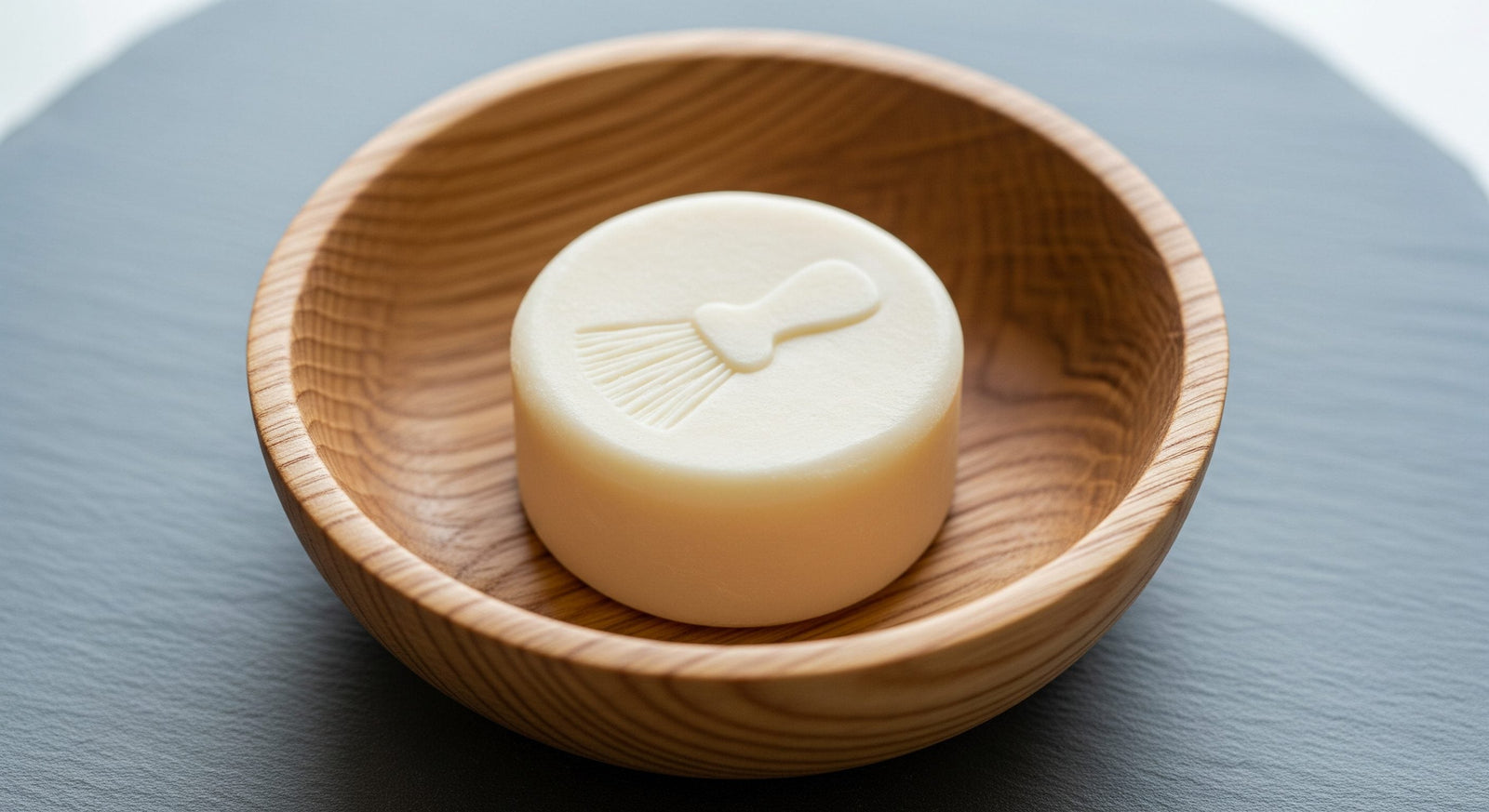
Both work. The difference is mostly in application. Shaving soap needs a bit more work with the brush to build a lather — more time, more technique. Shaving cream loads faster and is generally more forgiving for beginners. We've covered the full debate in our soap vs. cream vs. foam comparison if you want the granular detail. For now: either works well. What won't work is aerosol foam from a can — it lacks the lubrication and cushion of a proper lather, which is exactly what protects your skin during a shave.
Blades
A blunt blade is the number one cause of razor burn. Sharp blades glide; blunt blades drag and tug. Replace yours every five to seven shaves — sooner if you have coarse, thick growth. If you're using a safety razor, Feather double-edge blades are widely regarded as among the sharpest available and suit most skin types well.
The pre-shave ritual: five steps to proper preparation
The preparation is where the shave is won or lost. By the time blade meets skin, the outcome is largely already determined. Warm water softens your hair and opens your follicles — the blade cuts more cleanly, the lather penetrates more deeply. Skip this step and you're fighting your beard rather than shaving it.
Follow these five steps and you'll be starting every shave from a position of strength.
- Shower first, or wash your face thoroughly. The single most effective pre-shave step available to you. Two to three minutes of warm water contact softens the hair shaft considerably, making it far easier to cut. Many barbers will tell you this alone accounts for the difference between a good shave and a great one. Can't shower first? Press a warm flannel against your face for ninety seconds.
- Cleanse your skin properly. Shaving over dirt, dead skin cells, and residual product is asking for trouble. A proper face wash removes all of that and gives your lather a clean surface to adhere to. Our face wash cleanses without stripping — you don't want bone-dry skin going into a shave.
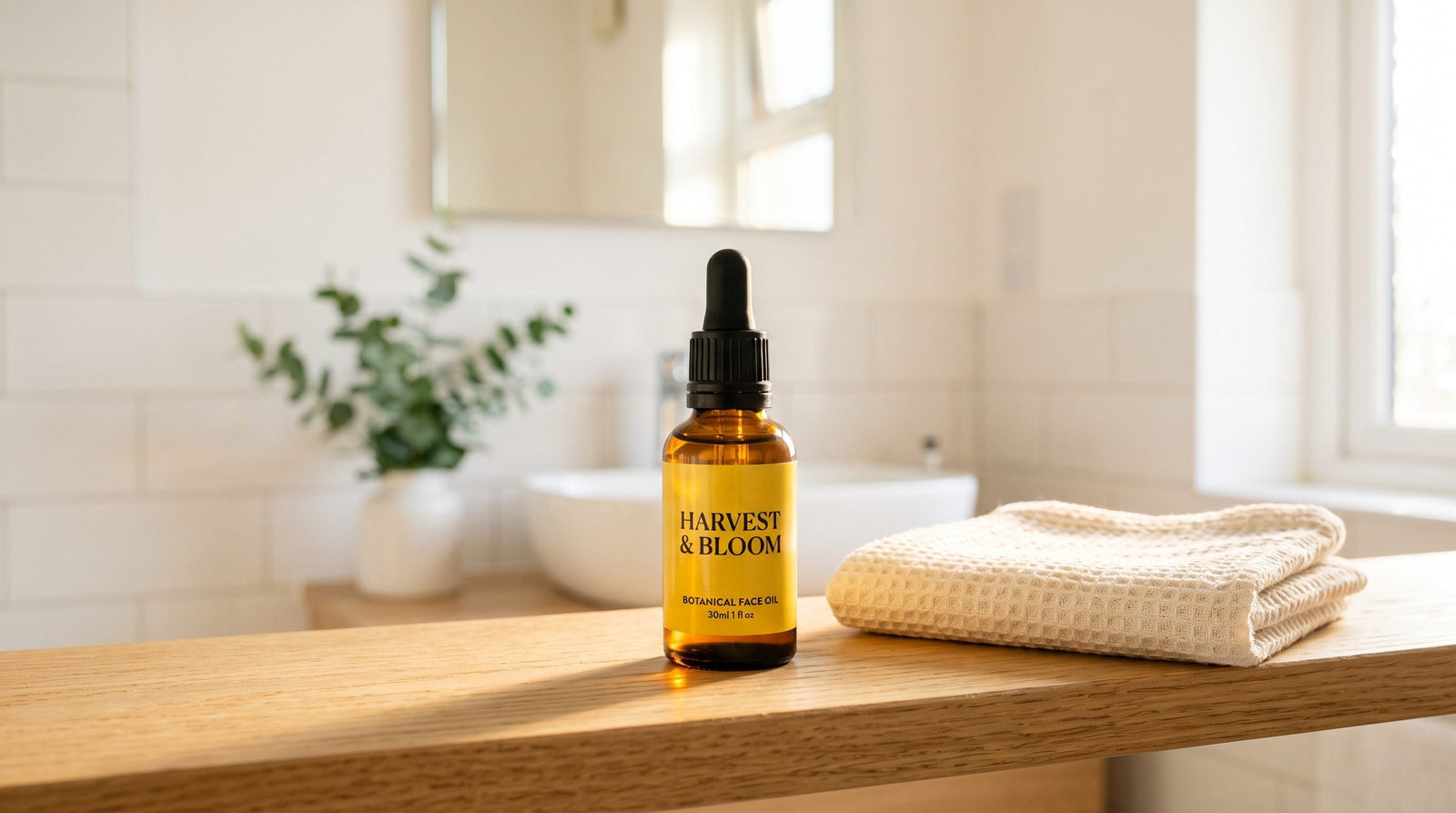
- Apply a pre-shave oil. The step most men skip, and it's genuinely worth adding. A pre-shave oil creates an extra layer of lubrication between the blade and your skin — particularly useful if you have sensitive skin or shave infrequently. Apply a few drops to damp skin and work it in before building your lather. Our Pure Equilibrium Pre-Shave Oil is unscented and built on a base of skin-conditioning carrier oils that soften hair and protect skin without blocking your pores.
- Map your beard growth. This takes two minutes the first time and then lives in your memory forever. Run your finger across different parts of your face and neck — you'll feel the direction the hair grows. Most men have at least two or three different growth directions across their face and neck. Knowing this matters because shaving against the grain on unprepared skin causes almost every case of irritation and ingrown hairs. Write it down if you need to. A quick mental map of "cheeks grow downward, neck grows inward toward the chin" will save you months of frustration.
- Use warm water throughout your prep. Not scalding — warm. Warm water softens the hair shaft and keeps follicles receptive to the blade. Cold water before a shave causes follicles to tighten and hairs to stiffen. Save the cold water for after.
Five steps. Maybe ten minutes. Do them properly and you've already done most of the hard work.
How to build the perfect lather: your cushion against irritation
Lather is doing real work, not providing atmosphere. A dense, glossy, properly-built lather lubricates the blade's path, provides a physical cushion against nicks, and keeps your hair standing upright and softened for the blade to cut cleanly. Rush it — or skip it — and you're essentially shaving dry.
Loading your brush
Start with a damp brush — not soaking wet, just damp. Work it in circles on your shaving soap or cream for about thirty seconds. You're loading the bristles with product. Soap needs more time and more pressure. Cream needs far less — a pea-sized amount in a bowl or on the palm of your hand is plenty.
Building the lather
Now work the brush on your face in small, circular motions. You're doing two things at once: building the lather and exfoliating your skin while lifting your hairs away from the surface so the blade catches them cleanly. Keep going until the lather turns glossy, thick, and creamy — not airy or foamy. If it starts to feel dry or stiff, dip the brush in warm water and carry on. A good lather should have the consistency of whipped cream, not foam from a can.
If the lather looks thin or disappears quickly, you haven't loaded enough product or you've used too much water. It takes a few goes to get the ratio right — don't be disheartened. Our shaving cream builds easily and holds its lather well throughout your entire shave, which makes the whole process considerably more forgiving while you're getting the hang of it.
The art of the shave: a step-by-step technique guide
This is where most men — copying habits picked up from a rushed father or a YouTube video filmed in thirty seconds — go wrong.
The 30-degree angle
For a safety razor, blade angle is everything. Hold the razor with the handle pointing roughly perpendicular to your face — then gradually lower the handle until the blade just catches the skin. That's approximately 30 degrees, and it's the sweet spot where you get an efficient cut without the blade biting in. Cartridge razors are more forgiving because they pivot, but the principle of using light, controlled pressure still applies.
Never press down. Let the weight of the razor do the work. This is the most common beginner mistake and it causes almost every nick and cut. The blade is sharp enough — adding pressure just increases the risk with no benefit to closeness.
The three-pass method
A classic traditional wet shave follows three incremental passes. The goal isn't to get everything in one aggressive go — it's to reduce the beard gradually, which is kinder to the skin and produces a closer result overall.
- First pass — with the grain (WTG). Always start here, regardless of how close a shave you want. Going with the grain removes the bulk of the beard without aggravating the follicles. Rinse and reapply lather before moving on.
- Second pass — across the grain (XTG). Shave at a right angle to the direction of growth — not against it, across it. This catches the shorter hairs the first pass left behind and gets you noticeably closer without the irritation of a full against-the-grain pass. Rinse and re-lather.
- Third pass — against the grain (ATG), optional. Only if you want baby-smooth and your skin can handle it. Go slowly, use fresh lather, and skip any areas already feeling sensitive. For men with reactive or sensitive skin, two passes are often enough — and there's no shame in stopping there.
Navigating the tricky areas
The neck is where most men suffer most. Hair growth direction on the neck is often completely different to the cheeks — and it frequently grows in multiple competing directions on the same neck. This is why mapping matters. Take extra time here, use shorter strokes, and be especially gentle with the pressure. Tilt your head back slightly to tighten the skin.
Under the nose — short, controlled horizontal strokes rather than one long sweep across the whole area. The jawline — stretch the skin gently upward with your free hand to create a flatter surface. Small adjustments, big difference.
For those of you shaving your head: the same principles apply, though you'll benefit from a larger brush (26mm and above tends to work better for head coverage) and you'll need to spend even more time on preparation given the larger surface area and the variety of growth directions on the scalp.
The post-shave routine: calming, hydrating, and protecting freshly-shaved skin
Two minutes of neglect here can undo everything you just did carefully. Your skin has been exfoliated, its surface temporarily disrupted. What you apply in the immediate aftermath has a direct impact on how your face looks and feels for the rest of the day.

The cold water rinse
Rinse thoroughly with cool water. This causes genuine vasoconstriction — narrowing of the surface blood vessels — which reduces redness and post-shave inflammation. It also removes any remaining lather or loose debris. Pat dry with a clean towel. Don't rub — your skin has just been through a lot.
Post-shave balm
Skin that's just been shaved absorbs product efficiently — which is an advantage, provided the product is worth absorbing. A good post-shave balm soothes the surface, reduces residual redness, and starts the hydration process. Our post-shave balm is alcohol-free — which matters, because alcohol-based aftershaves sting beautifully but actually dehydrate the skin and slow recovery. Apply a small amount — about the size of a penny — and work it gently into the skin in circular motions.
Moisturiser
Don't skip this. Post-shave skin needs moisture. If you're serious about your skin's long-term health — and given that wet shaving is already an act of self-care, you probably are — our Anti Ageing Moisturiser is built for exactly this moment. It contains ingredients that target the early signs of ageing while providing the hydration your freshly-shaved skin is actively asking for. Apply once the balm has been absorbed — a pea-sized amount is enough.
If your skin care routine needs a proper structure beyond the shave itself, our 2026 skincare guide by skin type is well worth a read.
What products should I use? The Seven Potions wet shaving line-up
We only recommend what we'd actually use ourselves. Here's what's in our wet shaving toolkit and why the ingredients matter.
Pre-Shave Oil — Pure Equilibrium
A few drops on damp skin before lathering creates an extra layer of protection that makes a real difference — especially on the neck. The Pure Equilibrium formula is unscented, so it plays nicely with any shaving cream or soap you're using. The carrier oils absorb quickly without leaving your skin greasy or your lather struggling to adhere. If you're dealing with persistent irritation, this is often the missing step.
Shaving Cream
Loads quickly and builds a dense, glossy lather with a good brush. The lubrication means the blade glides rather than drags — and the cushion it creates is the reason you stop getting nicks. A pea-sized amount in a bowl is all you need. Build it properly with the brush and the difference versus aerosol foam is night and day.
Post Shave Balm
Alcohol-free, soothing, and genuinely effective on post-shave redness. Apply immediately after your cold water rinse — a penny-sized amount worked gently into the skin. The formulation focuses on calming inflammation rather than masking it with fragrance. Though it smells perfectly pleasant, we promise.
Anti Ageing Moisturiser
Post-shave is a good moment to apply moisturiser — your pores are clean and product absorbs well into skin that's just been shaved. Ours absorbs without that heavy, greasy feeling that makes you want to rub your face on a towel. For the full pairing, the moisturiser and face wash duo covers both ends of your shave routine in one go.
Beard Oil
Beard oil, in a shaving guide? Yes, actually. Many men who wet shave aren't going fully clean-shaven — they're maintaining a shape, a neckline, or keeping a shorter beard tidy. After shaving your neckline or tidying your edges, a few drops of beard oil on the remaining beard keeps everything conditioned and looking deliberate. The jojoba oil in our formula mimics your skin's natural sebum, conditioning without blocking pores — important when your skin is freshly opened from a shave.
If you're maintaining a beard alongside your wet shaving routine, the beard balm is worth having on hand too — it adds light hold and shape to whatever you're keeping, so the whole face looks considered rather than half-finished.
The full shave kit covers the essentials and is the easiest way to start properly without hunting down each piece individually.
Troubleshooting: razor burn, nicks, and ingrown hairs
Even with proper technique, things go wrong sometimes. Here's how to diagnose and fix the most common problems.
Razor burn
That red, hot, uncomfortable feeling almost always comes from one of four things: a blunt blade, insufficient lather, too much pressure, or shaving against the grain on sensitive skin. Replace your blade first — it's the most common culprit. Then check your lather consistency. Then examine your pressure. If the burn is persistent on your neck specifically, try stopping at two passes and see if things improve. The neck is simply more reactive than the cheeks for most men.
Nicks and cuts
Usually caused by pressing too hard or catching an awkward angle — particularly on the jawline or chin where the skin contours change quickly. Slow down in those areas and use your free hand to stretch and flatten the skin. If you nick yourself, press a damp clean cloth against it for thirty seconds — the cold water and gentle pressure stops the bleeding. An alum block is also brilliant for this and worth having in your kit.
Ingrown hairs
Most often caused by shaving against the grain too aggressively, using a blunt blade, or shaving over skin that hasn't been exfoliated. The hair curls back into the skin instead of growing outward. Shave with the grain on the first pass, keep your blade sharp, and exfoliate regularly — that combination prevents most of them. If you're already dealing with ingrowns, resist the urge to dig them out; it causes scarring. Warm compresses and gentle exfoliation over a few days usually does the job. If your beard area is part of the problem, our guide to beard acne and skin health underneath facial hair covers the skin-care side of this in useful detail.
Irritation in the neck crease
The area right where the neck meets the jawline gives many men trouble — particularly those with a more prominent Adam's apple or a strong angle at the jaw. The skin here creases and moves, which makes a flat, clean stroke difficult. Tilt your head back to stretch the area flat. Use very short strokes — half an inch at a time rather than long sweeping ones. And never go against the grain here on a first shave. Build up to it slowly over several sessions as your skin acclimatises.
Tips and tricks for a better shave every time
- Shave after a shower, not before. The steam and warm water does more preparation work than anything else in your toolkit.
- Store your razor dry. Moisture sitting on the blade between shaves accelerates dulling. Shake off excess water, pat dry with a towel, and leave it standing upright or on a stand with good airflow.
- Don't rinse the razor under a running tap between strokes — dip it. A brief dip in warm water clears the blade without disrupting the angle or chilling it against your warm skin.
- Use a proper shaving brush kit from the start. Learning to build lather has a learning curve. Worth it.
- Change your blade more often than you think you need to. If you're asking "is this blade still okay?" the answer is almost certainly no. Replace it.
- Map your beard once, benefit forever. Spend five minutes running your fingers across your face and neck and noting the growth direction in different zones. A small investment of attention that pays out on every shave afterwards.
- Two passes done well beats three passes done badly. Don't rush to the against-the-grain pass before your skin is ready for it. Work up gradually.
- The cold water rinse isn't optional. The vasoconstriction it causes genuinely reduces post-shave redness and inflammation. Give it a full thirty seconds.
- Moisturise while skin is still slightly damp. This locks in hydration rather than sitting on top of dry skin. Your post-shave moisturiser will absorb more effectively.
- Build your full grooming routine around the shave. If you're investing this much attention in your shave, it makes sense to treat the rest of your face with the same care. Our anti-ageing routine guide for 2026 is a great complement to what you're building here.
Frequently asked questions
Is it better to wet shave with hot or cold water?
Warm water before and during the shave, cold water after. Warm water softens the hair shaft and keeps follicles receptive to the blade, making the shave more efficient and less aggressive on your skin. Cool water post-shave causes genuine vasoconstriction, reducing redness and calming inflammation. Get that sequencing right and you'll notice the difference immediately.
How many passes should you do when wet shaving?
Most traditional wet shavers start with two passes — with the grain, then across the grain — which gives a genuinely close shave for most men without undue irritation. A third pass against the grain is optional and reserved for those chasing baby-smooth results whose skin has acclimatised to the process. Always re-lather between passes, and stop at two if your skin is feeling reactive.
How do you get a close shave without irritation?
Proper preparation (warm water, good lather, sharp blade), correct blade angle (around 30 degrees with a safety razor), and shaving with — rather than against — the grain on your first pass eliminates most irritation for most men. A dedicated post-shave routine, including a cold water rinse and a soothing alcohol-free balm, handles whatever remains. Rush the prep and everything downstream suffers — get that part right and the rest of the technique tends to click into place.